

October 26, 2026
Recent Posts
Questions about services, pricing or booking? We’re here to help — call, email or request a free consult and we’ll recommend the right service for your vehicle or property.
Phone
(214) 809-2395
dfwmobiledetailers@gmail.com
Categories
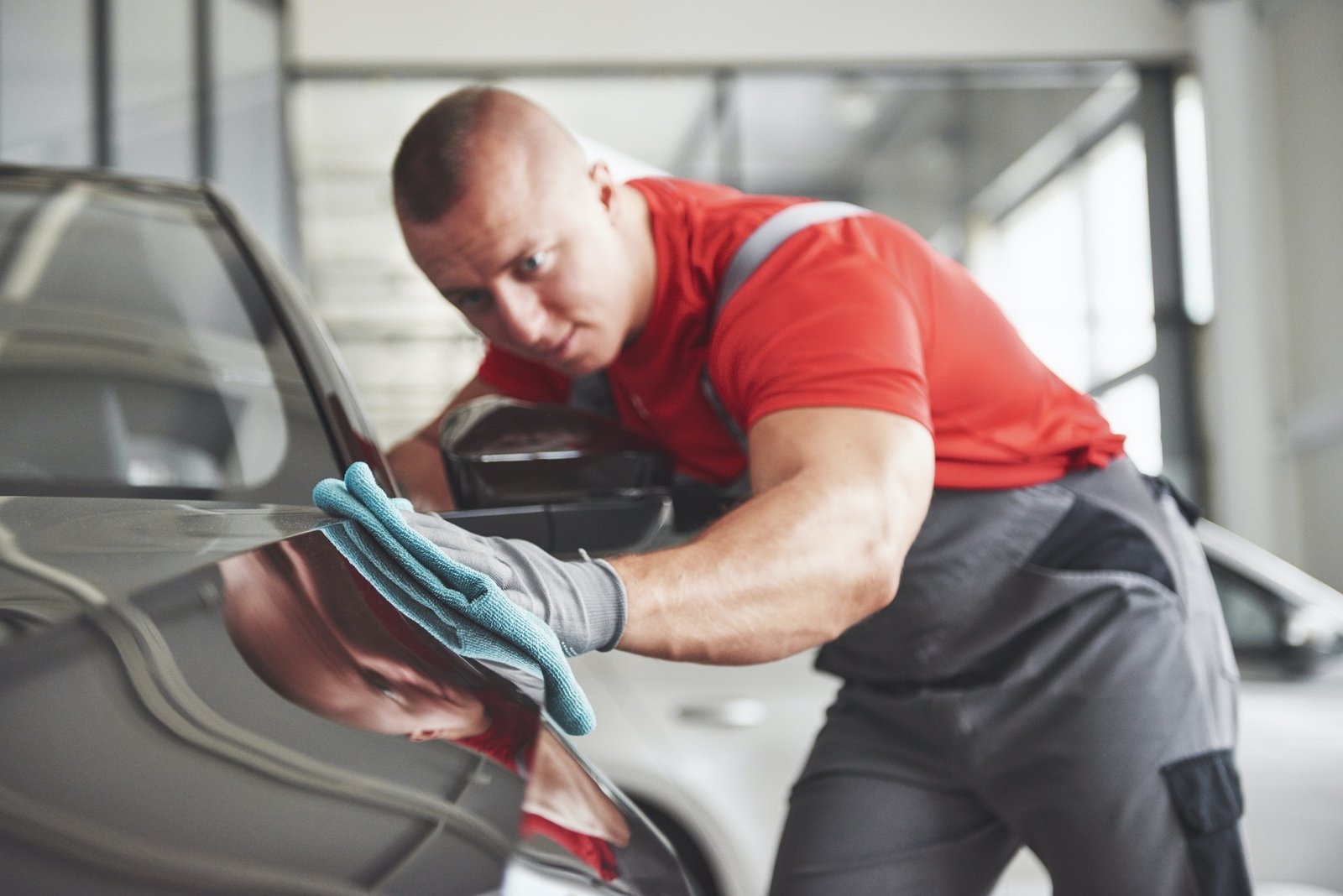
Paintless Dent Repair in Arlington, TX: A Guide to Removing Minor Dents Without Repainting
Paintless dent repair (PDR) is a specialized method for removing eligible dents and door dings without sanding, filling, or repainting the vehicle. If you need paintless dent repair in Arlington, TX, understanding the dent’s depth, paint condition, location, and repair cost can help you choose the right solution.
Introduction
A small dent on your car door, a parking lot ding, or minor hail damage can affect your vehicle’s appearance even when the rest of the car looks great. Many vehicle owners search for paintless dent repair in Arlington, TX, because they want to restore their vehicle’s exterior without automatically committing to traditional bodywork and repainting.
Paintless dent repair, commonly called PDR, is a specialized technique that reshapes eligible damaged metal while preserving the existing paint finish. It can be a practical option for certain minor dents, provided the paint is intact and the metal has not been stretched beyond what the repair process can correct. The National Association of Paintless Dent Repair Technicians explains that the technique uses specialized tools to carefully reshape damaged panels without removing the paint.
For drivers in Arlington, Dallas, Pantego, Dalworthington Gardens, and the wider DFW Metroplex, knowing how this method works can make it easier to compare repair options, ask the right questions, and request an appropriate estimate.
What Is Paintless Dent Repair?
Paintless dent repair is an automotive repair method used to remove eligible dents and dings without conventional sanding, body filler, or repainting.
Rather than covering the damage with filler and applying a new paint finish, a trained technician gradually reshapes the affected metal using specialized tools. Depending on the dent and the vehicle’s construction, the technician may work from behind the panel or use a controlled pulling technique from the outside.
The goal is to restore the panel’s original contour while preserving the factory paint wherever the damage qualifies for PDR.
How Does Paintless Dent Removal Work?
The process typically includes these steps:
Damage assessment: The technician examines the dent’s size, depth, location, and surrounding paint condition.
Panel access: The technician determines whether the damaged area can be reached from behind the panel or requires another appropriate technique.
Controlled reshaping: Specialized tools are used to gradually return the metal toward its original shape.
Surface inspection: Lighting and reflection patterns help reveal remaining imperfections and assess the result.
The exact process depends on the vehicle and the damage. Not every dent can be accessed or corrected using the same technique.
Which Types of Dents May Qualify?
Paintless dent repair may be suitable for:
Small door dings caused by nearby vehicles in parking lots.
Shallow dents from minor everyday impacts.
Certain hail dents where the original paint remains intact.
Minor dents on accessible doors, hoods, fenders, and other body panels.
Dent size alone does not determine whether PDR is possible. A small but deep dent can be more difficult to repair than a larger, shallow dent. Panel edges, internal reinforcements, previous bodywork, and the condition of the paint also affect eligibility.
Why Does the Original Paint Matter?
The main advantage of PDR is that it can preserve the existing paint finish. If the paint is cracked, chipped, or separating from the panel, conventional refinishing may be necessary.
A technician should assess the paint and underlying damage before recommending a repair method. An honest evaluation helps establish whether PDR is appropriate or whether another body repair process is more suitable.
Common Car Dents That May Be Repairable
Different types of dents require different repair approaches. Understanding the source and location of the damage can help you know what to discuss when requesting an estimate.
Door Dings and Parking Lot Dents
Door dings are common when vehicles are parked close together. A neighboring car door, shopping cart, or similar impact can leave a visible indentation in a door or quarter panel.
If the paint remains intact and the dent is accessible, paintless dent removal may be a suitable option. The technician will need to examine the shape of the dent and determine whether internal structures prevent access.
Minor Hail Damage
Hail can create multiple small dents across a vehicle’s hood, roof, trunk, and other exposed panels. PDR may be appropriate when the dents are repairable and the paint has not been damaged.
However, widespread hail damage can require a more extensive assessment than a single door ding. The number of dents, their depth, the affected panels, and the time required for repair can all influence the estimate.
Small Dents on Accessible Body Panels
Some shallow dents on doors, fenders, and other metal panels can be corrected without repainting. Accessibility is particularly important because the technician needs a suitable way to apply controlled pressure to the damaged area.
A dent near a panel edge or structural reinforcement may be harder to repair than one in an open, accessible section.
When Traditional Body Repair May Be Necessary
PDR is not suitable for every type of damage. Traditional body repair may be necessary when:
The paint is cracked, chipped, or severely damaged.
The metal is significantly stretched or sharply creased.
The dent affects an inaccessible or unsuitable area.
The vehicle has previous repairs or body filler in the affected location.
The damage involves structural components or more extensive collision damage.
If a dent is accompanied by misaligned panels, damaged safety components, or signs of structural impact, the vehicle should receive an appropriate professional inspection rather than a cosmetic repair alone.
Benefits of Paintless Dent Repair
When a dent qualifies, PDR can offer several practical advantages over conventional dent repair.
1. Preserves the Original Factory Paint
Because qualifying PDR repairs do not require repainting, the existing factory finish can remain in place. This avoids unnecessary sanding, primer, filler, and paint application.
Preserving the original finish may also be beneficial to owners who want to maintain the vehicle’s original appearance.
2. May Reduce Repair Time
Conventional body repair can involve several stages, including preparation, filling, sanding, painting, and curing. PDR generally avoids those refinishing stages.
Some minor dents can be repaired relatively quickly, while complex dents and extensive hail damage may require substantially more time. Ask for a time estimate after the damage has been assessed.
3. Can Be More Cost-Effective for Eligible Dents
For suitable damage, PDR may cost less than conventional bodywork because it can avoid materials and labor associated with repainting.
Actual savings depend on the repair method, dent complexity, vehicle design, and local pricing. A written estimate is the best way to compare the available options for your vehicle.
4. Avoids Unnecessary Repainting
When PDR is appropriate, the vehicle does not need a new paint application for that repair. This avoids potential differences in color matching or finish that can occur when panels are refinished.
The objective is to correct the dent while keeping the original finish undisturbed, not to use PDR as a substitute for necessary paint or structural repairs.
How Much Does Paintless Dent Repair Cost in Arlington, TX?
The cost of paintless dent repair in Arlington, TX, depends on the individual damage. There is no single price that applies to every dent, and a reliable estimate requires enough information to assess the work involved.
What Factors Affect the Price?
Dent size and depth: Larger dents may require more work, but a small, deep dent can also be difficult to correct.
Dent location: Dents near panel edges, body lines, or internal reinforcements can require more complex techniques.
Number of dents: Several dents across multiple panels generally require more labor than one isolated door ding.
Panel material and access: The construction of the panel and the available access can affect the tools and time needed.
Paint condition: Cracked or chipped paint may rule out PDR and require a different repair process.
Previous repairs: Repainted panels or areas containing body filler may need additional evaluation before a repair method can be recommended.
How Can You Get an Accurate Estimate?
When requesting a quote, provide clear photographs of the damaged area and explain how the damage occurred, if known. Include a wider photograph showing the entire panel and close-up images from different angles.
Photographs can help with an initial assessment, but they may not reveal every issue. An in-person inspection may be necessary to confirm repair eligibility and cost.
Before approving the work, ask what the estimate includes, which panels will be repaired, what result is expected, and whether additional damage could change the price.
Is Paintless Dent Repair Worth the Cost?
PDR can be worthwhile when a dent is suitable for the technique and the owner wants to preserve the existing paint. It may be less practical when the paint is damaged, the metal is severely distorted, or access is restricted.
Compare repair methods based on the expected finish, cost, repair time, and the condition of your vehicle—not price alone.
Paintless Dent Repair vs. Traditional Dent Repair
Both methods aim to improve a damaged vehicle’s appearance, but they use different processes.
| Feature | Paintless Dent Repair | Traditional Dent Repair |
|---|---|---|
| Original paint | Preserved when the dent qualifies | May require refinishing |
| Body filler | Generally not required | May be needed |
| Repair process | Reshapes the existing panel | May involve reshaping, filling, sanding, and painting |
| Repair time | Often shorter for minor dents | Can take longer due to refinishing and curing |
| Best suited for | Eligible dents with suitable paint condition | Paint damage, severe distortion, or dents unsuitable for PDR |
The right choice depends on the actual damage. PDR is not automatically better for every dent, and traditional repair is not always necessary for a minor indentation.
Which Method Should You Choose?
Consider PDR if the paint is intact, the dent is within the technique’s limits, and the affected panel can be accessed appropriately.
Consider traditional body repair if the paint is cracked, the metal is significantly stretched, or the damage requires refinishing. A qualified technician should explain why a particular method is recommended before you authorize the work.
How to Choose a Dent Repair Service in the DFW Metroplex
Choosing a repair provider involves more than comparing prices. The quality of the assessment and the provider’s ability to explain the repair process are important factors.
Questions to Ask Before Booking
Before scheduling service, ask:
Does my dent qualify for paintless dent repair?
Will the original paint remain intact?
What result can reasonably be expected?
Is the quoted price based on an inspection or preliminary photographs?
How long is the repair expected to take?
What happens if the damage is more extensive than it first appeared?
Is there a warranty or workmanship policy, and what does it cover?
Clear answers help you understand the scope of work and avoid surprises.
Why Experience and an Accurate Assessment Matter
A proper dent assessment considers the shape of the damage, panel access, paint condition, and how the metal has responded to the impact. An estimate based only on dent diameter may not account for these important factors.
Look for a provider who explains the limitations of PDR and recommends conventional bodywork when appropriate. Be cautious of guarantees made before the damage has been adequately inspected.
Is Mobile Dent Repair Available?
Some dent repair providers offer mobile appointments, while others require vehicles to be brought to a workshop. Availability depends on the provider, equipment, repair complexity, and location.
Before booking, confirm whether the specific repair can be completed at your home or workplace in Arlington or elsewhere in the DFW area. Do not assume that every type of dent can be repaired on-site.
Paintless Dent Repair Service Areas
Drivers seeking minor dent repair may look for service options close to home or work. DFW Mobile Detailers, Carpet Cleaning and Pressure Washers serves customers in Arlington and surrounding communities for its listed automotive services.
Relevant service areas include:
Arlington, TX: For drivers looking for vehicle appearance and detailing services.
Dallas, TX: For customers seeking automotive cleaning and related services.
Pantego, TX: For local vehicle care needs.
Dalworthington Gardens, TX: For nearby automotive service options.
DFW Metroplex: For customers across the wider Dallas–Fort Worth area.
Service availability can vary by location and repair type. Contact the business to confirm whether paintless dent repair is currently available for your specific vehicle and whether an on-site appointment is possible.
Frequently Asked Questions About Paintless Dent Repair
1. Does Paintless Dent Repair Damage the Original Paint?
When performed correctly on a suitable dent, PDR is designed to preserve the original factory paint. It does not use the conventional sanding, filling, and repainting process. However, existing paint damage can affect eligibility, so the panel should be inspected first.
2. Can All Car Dents Be Repaired Without Repainting?
No. PDR works best on dents that meet specific requirements for depth, location, metal condition, and paint integrity. Deep creases, stretched metal, damaged paint, and inaccessible areas may require traditional body repair.
3. How Long Does Paintless Dent Repair Take?
A simple, eligible door ding may take considerably less time than multiple dents or widespread hail damage. The exact duration depends on the number, size, depth, and location of the dents, as well as panel access. Request a time estimate after an inspection.
4. How Much Does Paintless Dent Repair Cost in Arlington, TX?
The price varies according to the damage, panel location, number of dents, and repair complexity. There is no reliable universal price for every vehicle. Request an estimate based on photographs or an inspection, and confirm the final scope of work before proceeding.
5. Is Paintless Dent Repair Suitable for Deep Scratches or Cracked Paint?
PDR is primarily intended to reshape dents while preserving suitable paint. It does not repair deep scratches, missing paint, or cracked paint by itself. If the finish is damaged, a body repair and refinishing process may be necessary.
Get Help With Your Vehicle’s Appearance
A dent does not always require sanding, body filler, and repainting. When the damage qualifies, paintless dent repair can offer a practical way to restore the panel’s shape while preserving the existing finish.
If you are looking for automotive detailing or dent repair options in Arlington, Dallas, Pantego, Dalworthington Gardens, or the DFW Metroplex, start by describing the damage and requesting an assessment. Confirm that the specific repair is currently offered, that your vehicle qualifies, and whether mobile service is available at your location.